Field note · 15 May 2026
Stay with one timeframe for a full month
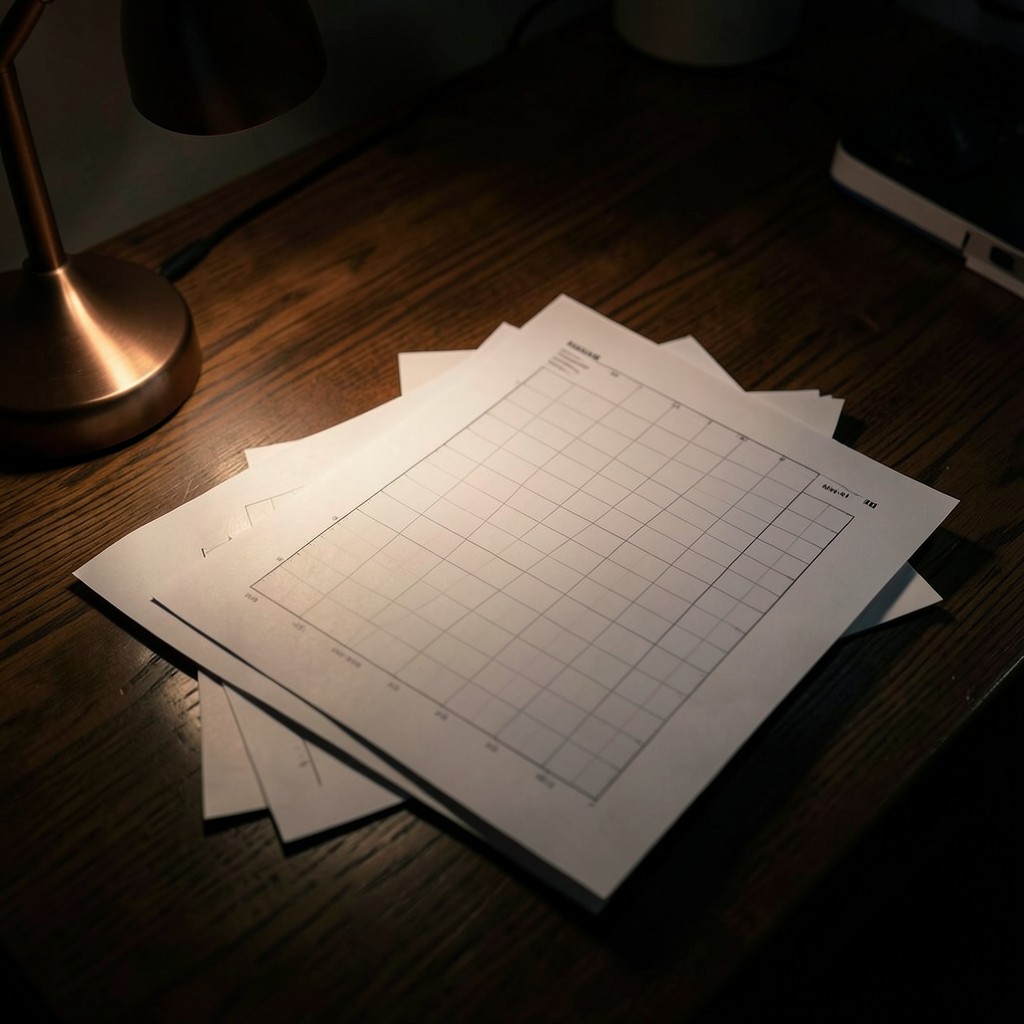
The academy asks desk learners to stay with the daily chart for the six weeks. A month is long enough for the journal to become a set of pages you can compare, and short enough that the constraint feels like a season rather than a vow.
The trouble with changing timeframe mid-session is quiet. Monday’s page is a daily chart with two levels. Wednesday’s page is a fifteen-minute chart with twelve. By Friday the review has nothing stable to review. The learner feels busy and the book is useless.
A weekly chart may be glanced on Friday, after the five-line review is written, and only as context: is the daily level you kept sitting inside a larger turn, or out in the open? That glance does not become a new markup session. If you start drawing on the weekly sheet, you have opened a second routine. Finish the month first.
People reach for the smaller chart when the daily feels slow. The daily often is slow. The routine is supposed to survive a dull week. If the only pages you enjoy are the frantic ones, the journal will fill up on volatile days and go blank on ordinary ones, which is when a routine is actually tested.
On the study circle, the printed example is also a daily chart, even when the evening’s subject is candle shape. Shape is easier to chase on a small timeframe, and that chase is exactly what the table is declining.
If you already hopped timeframes for years, do not hide the old pages. Bring them to a journal review. The margin notes will show the hops. Your next ten sessions can stay on one sheet without pretending the old habit was tidy.