Field note · 12 March 2026
A pre-session checklist short enough to finish
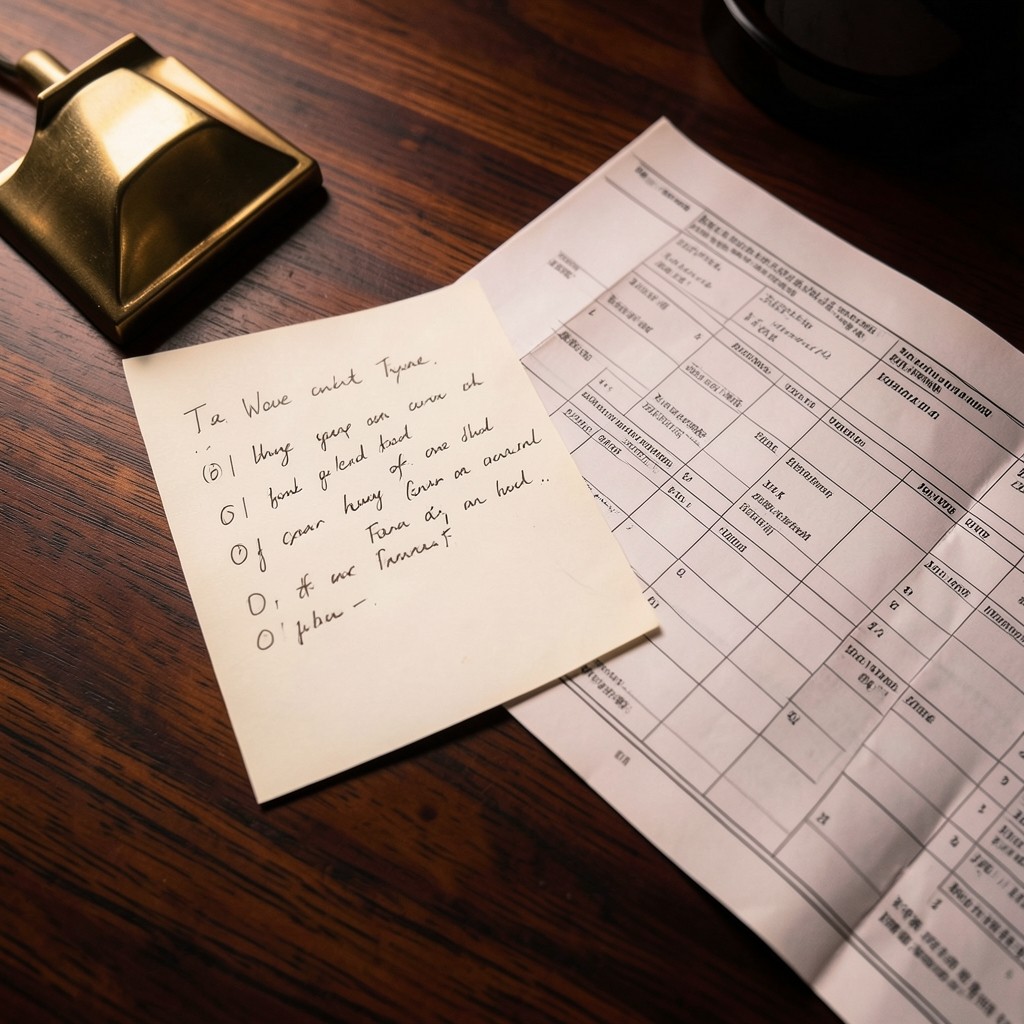
The first ten minutes of a desk sitting are the checklist, and the checklist is six lines. Learners arrive with longer versions they found admirable and never finished. An unfinished list teaches you to start in the middle, which is how a chart session becomes a mood.
Write the lines in this order.
One: the instrument and the date of the session. Two: the single timeframe on the page. At the academy that line usually reads “daily,” and it stays daily for the month. Three: the last swing high and swing low you are still willing to keep. Four: whether yesterday’s level still deserves its place. Five: one sentence on what would make that level invalid — a close beyond it on this timeframe, not a wick you decide to ignore once you have seen the rest of the day. Six: stop. The second chart stays closed.
Line six is the one people bargain with. They want a quick look at a smaller timeframe “just to see.” The seeing becomes the session. If you need a reminder, write the sixth line as a physical act: close the other sheet, or turn the extra print face down.
A checklist fails when it includes opinions. “Bias for the week” sounds efficient and invites a story before the marks exist. Put the story, if you still want it, after the levels are drawn, and keep it out of the six lines.
On week one of Desk Routine Coaching the list is written together, in the learner’s handwriting, on the first journal page. Later sittings begin by reading it aloud. If a line has been silently edited into something vaguer, the edit is the lesson.
Try the six lines on the next three sessions you would have done anyway. If you cannot finish them, the list is still too long, or the timeframe is still a moving target. Shorten the list before you add a new idea to it.